Tips are not revenue, but you do have to track them properly
A voluntary tip from a guest is not revenue for your business and carries no VAT (btw). The tip belongs to your staff. Under Dutch rules you usually do not have to withhold payroll tax on it either, as long as you pay the collective-agreement (cao) wage and did not factor tips into that wage; your staff declare the tips themselves in their income tax return. What you do have to do is record tips separately from revenue in your POS system, especially now that most of them arrive through the card terminal and land in your bank account.
In practice this goes wrong in three places: the tip disappears into the bill total and therefore into your VAT return, the cash tip leaves the drawer without being booked, or there is a "service charge" on the bill and nobody knows whether it is a tip or revenue. First the rules, then the POS.
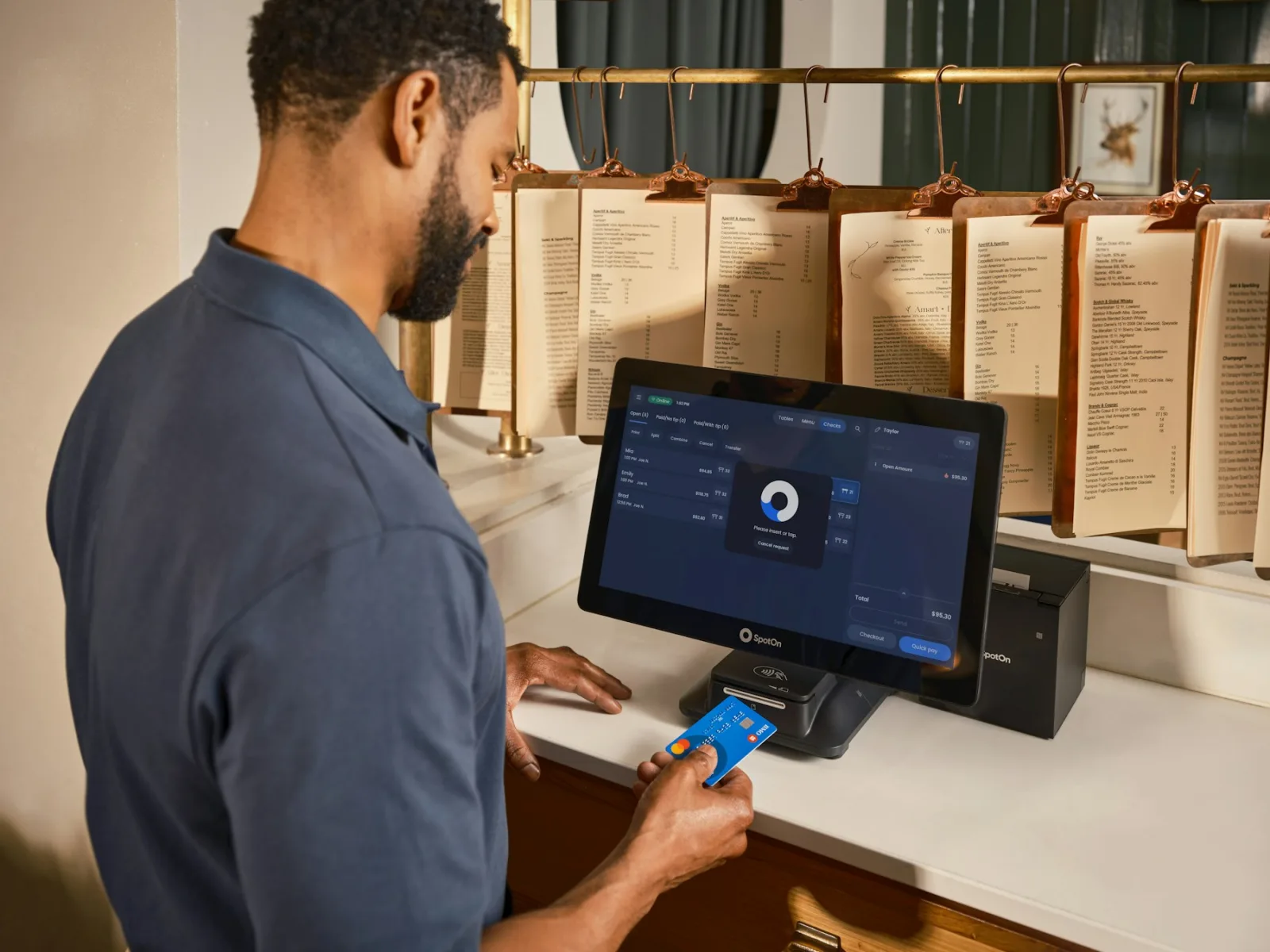
A tip is always voluntary, a service charge is revenue
In the Netherlands a tip is always voluntary. You may not put a mandatory tip or service charge on the bill without agreeing it clearly with the guest beforehand, and you may not set one as a default on the card terminal either. If you offer tip buttons on the terminal or in the POS, always give the guest the option of leaving no tip.
If you still want to charge a fixed percentage for large groups or a private dinner, you can, but only if you agree it in advance. Then stop calling it a tip, because for tax purposes it no longer is one. A mandatory surcharge is part of the price of what you deliver: it counts as revenue and you charge VAT on it at the rate of the service it belongs to. If you then pay that surcharge out to your team, it is wages and you withhold payroll tax on it.
VAT: a voluntary tip stays out of your revenue
A voluntary tip is not a payment for food, drink or service, so it does not belong in your revenue for VAT. That applies to the cash tip handed straight to the server and to the tip that arrives in your bank account via the card terminal or a QR payment. The condition is that your POS system really does keep the tip separate.
A POS without a tip function forces a workaround: a product called "Tip" at 9%, or the server simply adding the amount to the last round. Either way the tip sits in your revenue, you pay VAT on money that is not yours, and your revenue figure is wrong. Which rates do apply to your revenue is covered in [VAT in Dutch hospitality: when 9% and when 21%](/en/blog/vat-rates-hospitality-netherlands-9-or-21-percent).
Payroll tax: usually not, with two exceptions
For your employee a tip is income, but it is wages from a third party, the guest, not from you. In May 2025 the Dutch tax authority (Belastingdienst) confirmed in a knowledge-group position that a hospitality employer in the usual situation is not obliged to withhold payroll tax on tips: you pay wages according to the hospitality cao, you did not take tips into account when setting the terms of employment, and the tips are shared among the staff. Your staff then declare the tips themselves in their income tax return; that is their responsibility, not yours.
There are two situations in which a tip does become wages on which you must withhold payroll tax. The first: you take tips into account when setting the wage, for example by agreeing a lower salary "because there are tips on top". The second: you pay an employee less than the cao wage or the minimum wage, excluding tips. The difference is then treated as tips the employee is deemed to receive, and that difference is wages. The hospitality cao itself says nothing about tips, so how they are shared is something you agree with your team and write down in the staff handbook. If you are unsure about your own situation, check with your payroll provider.
Card tips sit in your account but are not yours
Tips used to live in a jar next to the till. Now most of them arrive through the card terminal or a QR payment and sit among your revenue in your business account. That changes nothing about the rules: the tip belongs to your staff and you have to pass it on. It does change your bookkeeping, because you have to be able to show that tips are kept apart from revenue.
That starts in the POS, which records per bill how much tip was added and under which server. At the end of the week you know exactly how much card tip came in and how much you need to pay out. Pay tips separately from salary and keep a record of what you paid, so that in an audit you can show that the card tips that reached your account also reached your staff. If you pay card tips out in cash from the drawer, book that withdrawal, or the next count will show an unexplained shortfall. How drawer and terminal are reconciled each evening is covered in [Hospitality end-of-day closing: a practical POS checklist](/en/blog/dagafsluiting-horeca-kassa).
How to handle tips in the POS
In Deskly POS there are fixed tip buttons above the payment button: No tip, 5%, 10% and 15% of the bill total, plus Other for a custom amount. The tip is recorded separately from revenue and is attached to the bill and to the server who settles the table. If a colleague takes over the table, you switch server so the tip lands with the right person in reporting. Under Reports, tips received appears as its own headline figure next to revenue, VAT and discounts, for today, this week, this month or any period you choose.
A cash tip belongs in the drawer. The POS books it as a separate line and counts it at closing; if the server hands it back as change, you will be short by exactly that amount in the evening count. If you use the accounting integration with Moneybird, e-Boekhouden, SnelStart or Exact Online, you map tips under Other to their own ledger account. The tip then shows up in your books as a separate item, not as revenue. If no account is mapped while there are tips in a closing, that closing cannot be posted. How the mapping works is explained in [Accounting integration](/en/kb/horeca-manager/boekhoudkoppeling).
Frequently asked questions
Do I pay VAT on tips?
No. A voluntary tip is not a payment for a service and does not belong in your revenue, even if it reaches your account via card or QR. That only holds as long as your POS records the tip separately from revenue. A mandatory service charge is not a tip: it counts as revenue and is subject to VAT.
Are tips wages on which I must withhold payroll tax?
Usually not. If you pay the cao wage and did not take tips into account when setting it, the Belastingdienst position of May 2025 is that you are not obliged to withhold. Your staff declare the tips in their own income tax return. If you did factor tips into the wage, or pay below the cao wage, the difference is wages.
Can I put a service charge on the bill?
Only if you agree it clearly with the guest beforehand, for example for a group booking. A default surcharge on every bill or on the card terminal is not allowed. An agreed service charge is also not a tip but revenue, with VAT and, when paid out to staff, payroll tax.
Can I use card tips for the business?
No. Tips belong to your staff, even when they arrive in your account through the card terminal. You have to pass them on and be able to show in your records that you did. So track tips per bill in the POS and pay them out separately from salary.
How do I book tips in the accounts?
Not as revenue. Tips get their own ledger account so they stay out of your revenue and your VAT return. With an accounting integration that happens automatically once you have mapped an account to tips; without one, give your accountant the end-of-day closing with the tip amount on it.
Tracking tips properly starts with a POS that records them separately.
Want to see how the tip buttons, the report per server and the accounting integration work in practice? Start a free 30-day trial and settle a few tables with a tip; at the end of the day you will see straight away how revenue and tips stay apart.